
NRP 79 in the first half of 2026: milestones, new findings and a growing community
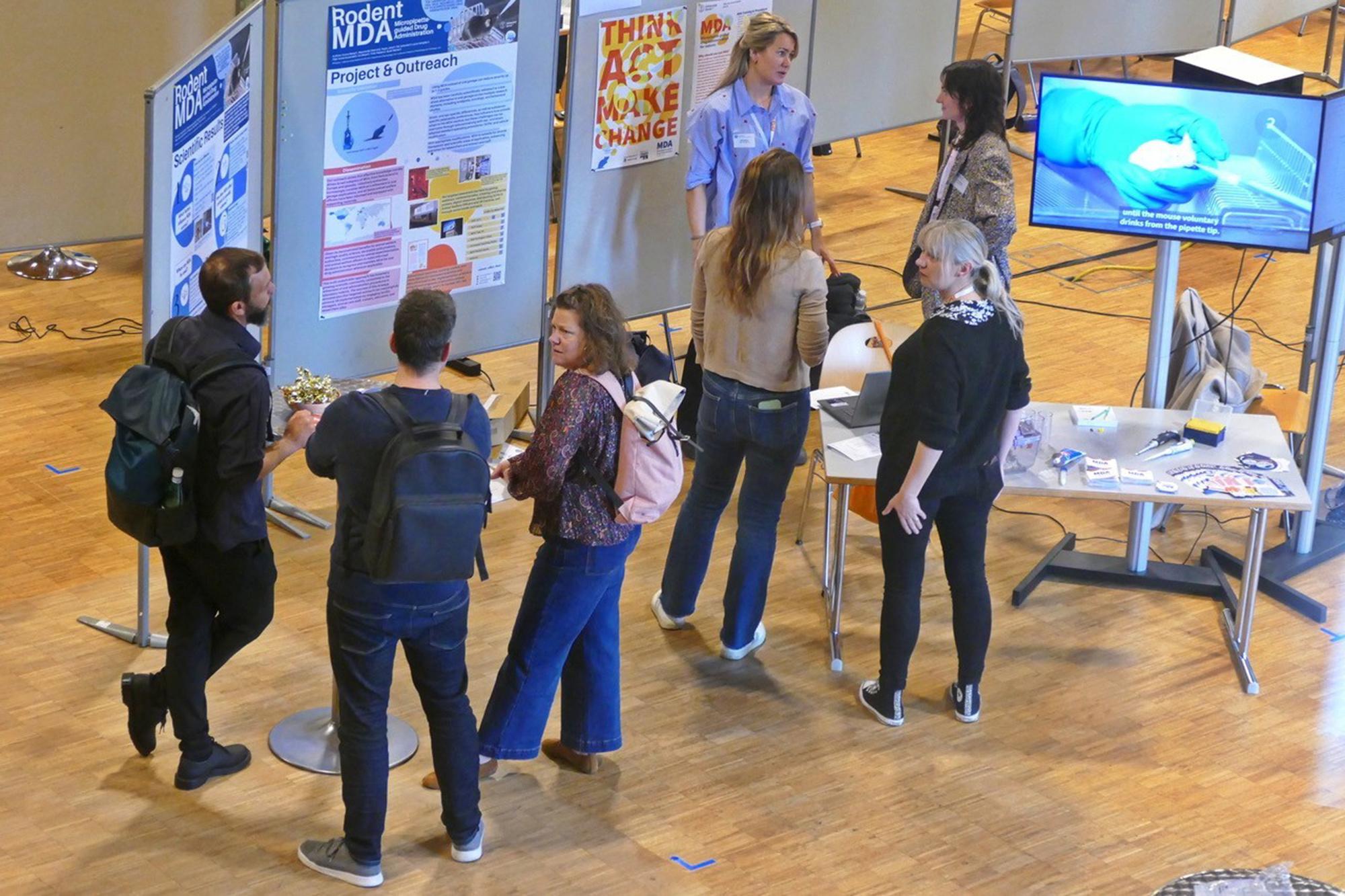
The first six months of 2026 have been eventful for NRP 79, with a 3R fair, a new white paper, publications in renowned specialist journals, the launch of the synthesis phase – and continued growth of its LinkedIn community.
New white paper on informed consent for organoid use
Can organoids – mini organs derived from human cells – be stored and reused for future research purposes? And how should the donors be notified? A new white paper that was developed as part of an NRP workshop addresses these questions. The authors, led by Prof. Alfred Früh, propose specific amendments to the swissethics standard form and address outstanding legal issues, for example on the withdrawal of consent. The white paper is available online now.
3R research at the highest scientific level
A remarkable achievement: although 3R research is generally regarded as applied research and does not enjoy much prestige, the NRP 79 community has published a considerable number of articles in high-impact journals such as Nature Communications or Altex. The articles cover a broad range of topics and reflect the diversity of research projects – from new lab models and ethical questions to regulatory aspects of the 3R principles. All publications are freely available via the SNSF Data Portal.
Launch of the synthesis phase
NRP 79 is about to enter its final phase: the synthesis process. The research programme’s Steering Committee developed a concept comprising various products – including a brochure, a new 3R training course, a novel helpathon format and potentially a serious game. The synthesis pools the findings from the 27 research projects and makes them available to the wider public.
Over 500 followers on LinkedIn
The NRP 79 community is also growing on social media, with the programme’s LinkedIn page exceeding the 500 follower mark for the first time. This is pleasing evidence that interest in the 3R principles and the results of the programme extends well beyond the research groups that are directly involved.