
(26) Adapting cell models more effectively to the situation in humans
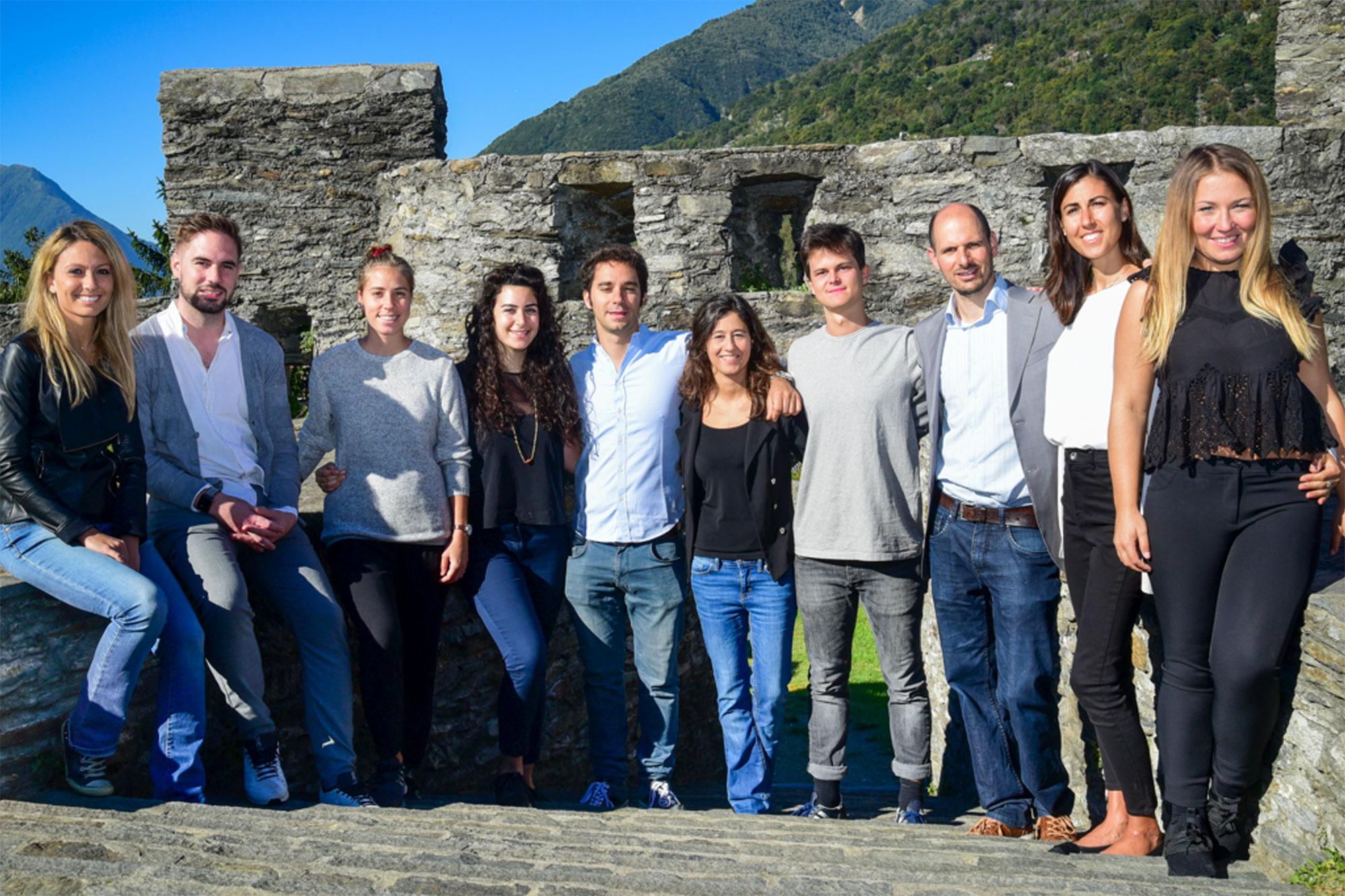
"Researchers currently face a difficult situation," explains Jean-Philippe Theurillat, "because lack of data makes the choice of cell model more a matter of faith than an informed decision."
Project description (completed research project)
When researchers test new cancer treatments in the lab, they use cell cultures – cells grown outside the body. But it is often unclear how well these lab conditions actually reflect what happens in real human tumours. "Researchers currently face a difficult situation," explains Jean-Philippe Theurillat, "because lack of data makes the choice of cell model more a matter of faith than an informed decision." A research team led by Theurillat at the Università della Svizzera italiana set out to change that uncertainty using prostate cancer as a case study. They developed a systematic way to measure how closely different lab models match real patient tumours – and have made this tool freely available to all researchers.
Background
Over the past decades, many different methods for growing human cells in the lab have been developed, with the hope of reducing animal experiments. In recent years, organoid cultures – small, three-dimensional cell structures – have been widely promoted as the most advanced method.
However, none of these approaches had ever been systematically compared to real human tumours. As a result, researchers have largely chosen their lab models based on habit or assumption rather than solid evidence. The research team led by Jean-Philippe Theurillat used gene expression profiling – a method that reads which genes are active in a cell – to compare prostate cancer cells grown under different lab conditions with tumour samples from real patients. They then used artificial intelligence to identify which lab conditions best match what happens in human tumours. Throughout the process, the team prioritised cost-effective and manageable protocols suitable for everyday laboratory use.
Research aims
The project had three goals:
To systematically compare the gene activity of prostate cancer cells grown under different lab conditions with that of real patient tumours.
To use artificial intelligence to identify and improve the most predictive models.
To provide the research community with a practical, web-based tool to make these comparisons themselves – helping researchers make more informed choices and ultimately reducing the need for animal experiments.
Results
The team developed a computational method to compare gene expression across lab cultures, animal models and human prostate tumour samples. Patient-derived animal models showed a strong overlap with human tumours in terms of how gene activity changes as the disease progresses. Human cell lines and organoid cultures also partly reflected these changes. These findings were published in Cell Reports (Zhang J et al., 2025). The team also built and launched the Prostate Cancer Atlas, a cloud-based tool that allows researchers to upload their own data and see how closely their lab model resembles human tumour tissue – and which disease stage it most closely matches. To date, the atlas has attracted over 400 regular users from academia and industry. It currently integrates 1,365 samples, with an update to nearly 3,000 samples planned for autumn 2025.
Implications for research and practice
The Prostate Cancer Atlas gives researchers in academia and industry a concrete, evidence-based way to evaluate the strengths and limitations of their lab models. It also allows them to spot patterns in their experimental data that reflect real processes in disease progression or resistance to hormone therapy. Rather than choosing a model based on convention, researchers in both academia and industry can now make more informed decisions – and better understand how their lab results relate to what happens in real patients. Importantly, the approach is not limited to prostate cancer – it is broadly applicable and can be transferred to other disease models (e.g. breast cancer or lung cancer).
Interested in the outcomes of this project?
You can find information about the scientific publications, events and collaborations carried out as part of the project here.
Original title
Transcriptome-Guided Reverse Engineering of Human Prostate Cancer